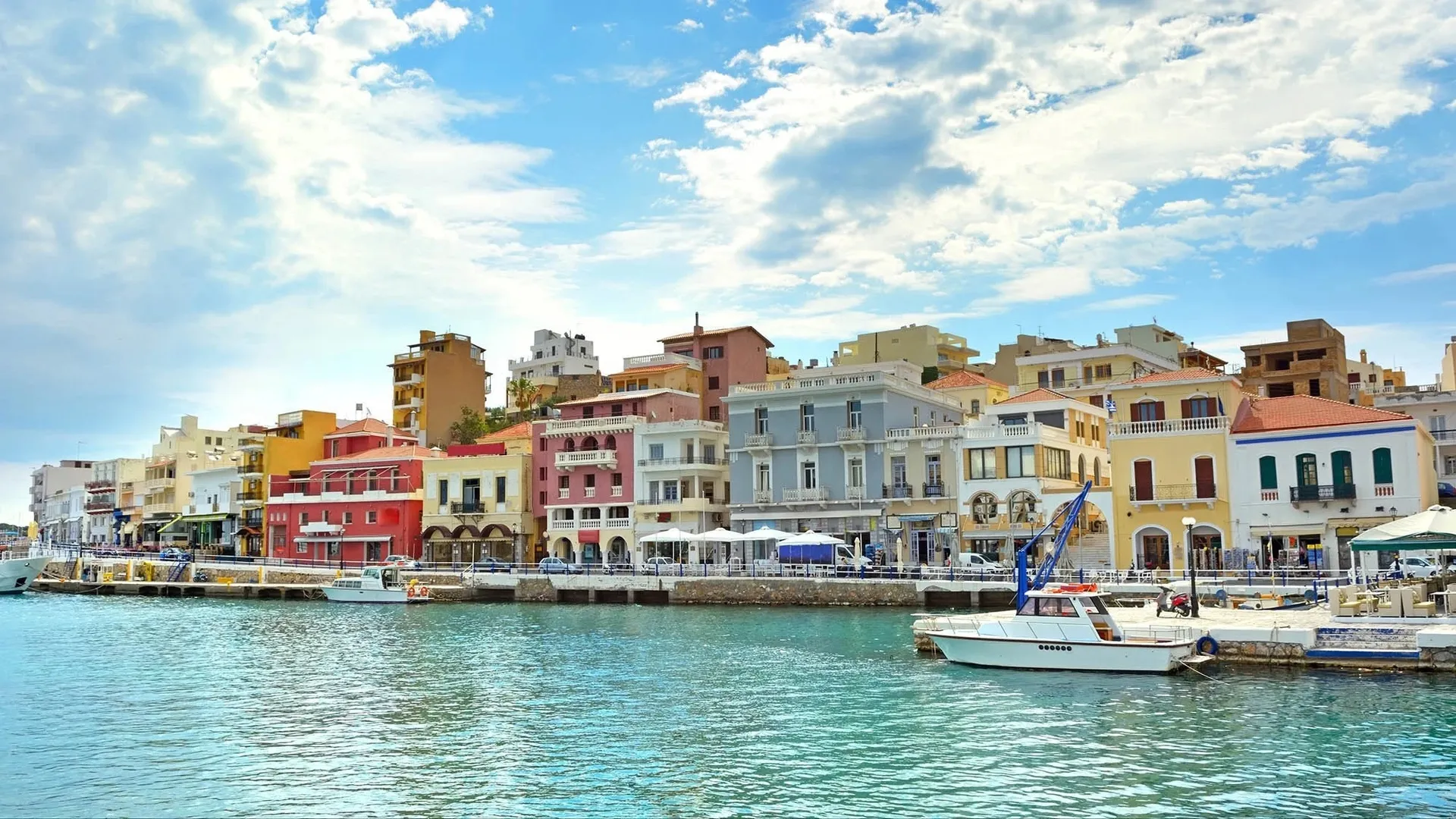
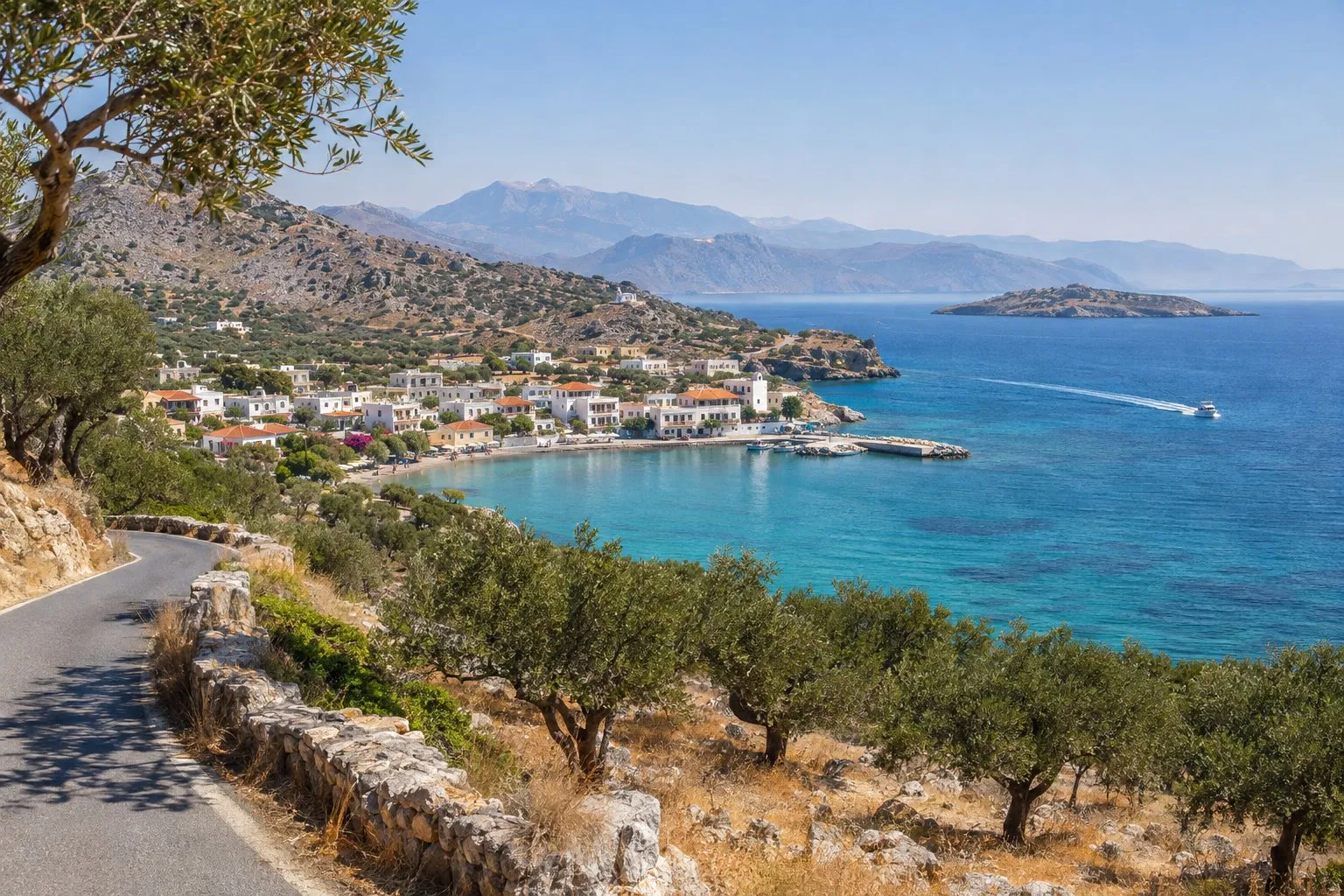
How to choose a taverna in Agios Nikolaos
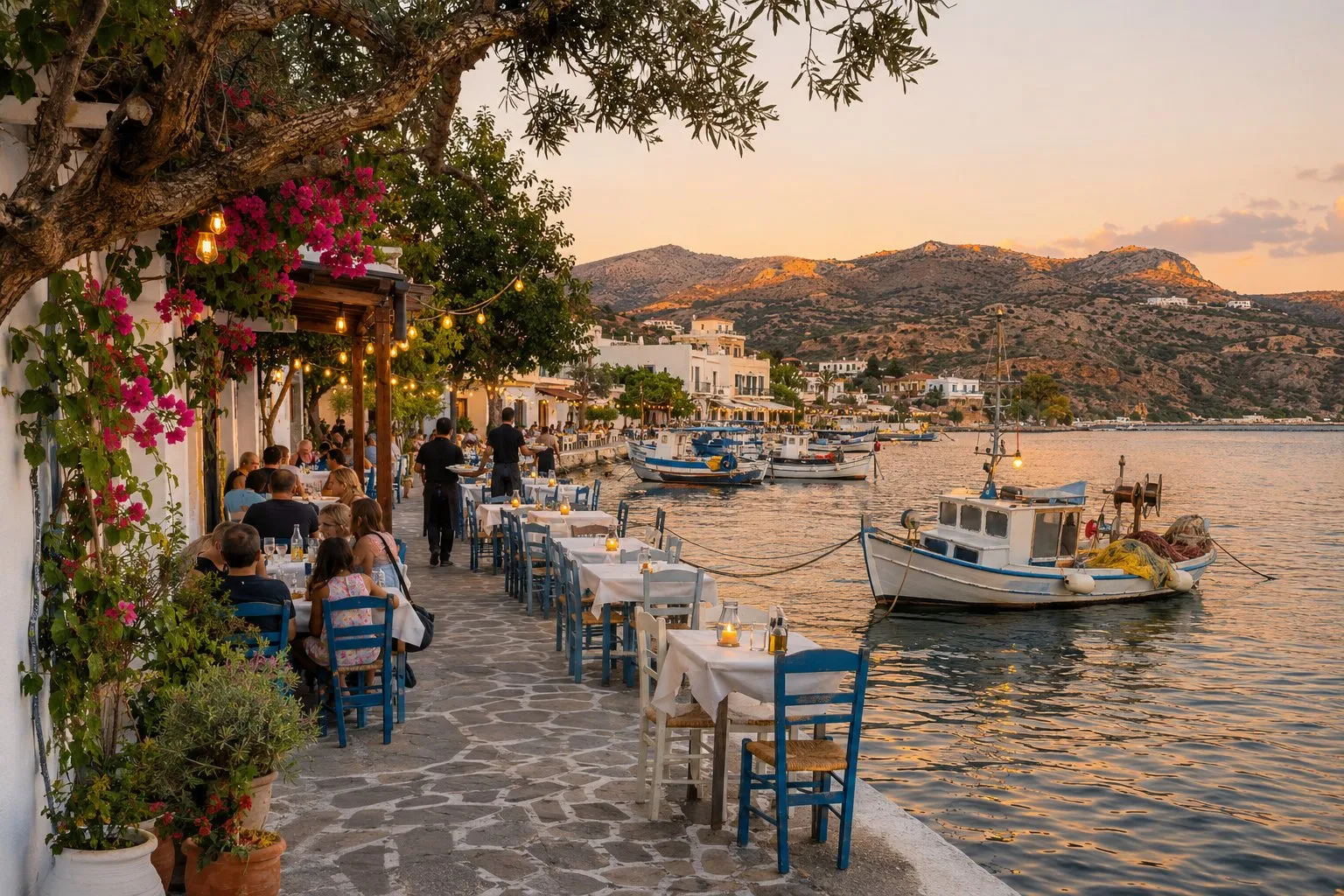
In Agios Nikolaos there are tables everywhere: around the lake, in the harbour, facing Kitroplatia beach and on the streets that climb towards the centre. With so much on offer, choosing where to eat can be the hardest part of the day. These are the clues we look for ourselves and usually pass on to anyone who asks.
Look at who’s eating
The most reliable sign is still the clientele. If a taverna has Greek families, groups of friends or people from the town, you’re on the right track.
That said, bear the timing in mind. In Greece lunch is late, around two or three, and dinner later still: from nine and, in summer, often after ten. A half-empty taverna at seven in the evening tells you nothing; one full of locals at half past ten does.
The more touristy areas adapt their hours and serve from earlier, so if you prefer an early dinner you won’t have a problem. On the other hand, in some places the kitchen closes earlier than you’d imagine, especially out of season, so don’t cut it too fine.
A short menu is usually a good sign
A short menu, with dishes that change by the day, usually points to food made on the spot and seasonal produce. Look for:
- Blackboards or handwritten menus with the dishes of the day.
- Dishes of the day (μαγειρευτά, mageirefta): casserole dishes prepared in the morning. In some tavernas they invite you to see them in the kitchen before you choose.
- Seasonal produce. If the menu offers the same in winter as in August, it’s likely that some of the produce is frozen. In Greece it’s common for frozen products to be marked with an asterisk on the menu; it’s worth checking, especially for fish and seafood.
A long menu with photos in several languages doesn’t automatically mean the food is bad, but it does mean you should pay more attention to the other signs. And if there’s no menu, ask directly: “Τι έχετε σήμερα;” (ti échete símera?, “what do you have today?”).
Each place has its speciality
Not everything is a “taverna”. Knowing the names helps you know what to expect:
- Taverna (ταβέρνα): varied home cooking, with starters, stews and grilled dishes.
- Psarotaverna (ψαροταβέρνα): specialising in fish and seafood.
- Psistaria (ψησταριά): a grill house, mainly for meat.
- Mezedopoleio (μεζεδοπωλείο) or rakadiko (ρακάδικο): small dishes to share, served with raki. The rakadiko is a very Cretan custom.
- Kafeneio (καφενείο): the traditional café, for a Greek coffee or a raki with a bite to eat.
Fresh fish is sold by weight
In fish tavernas it’s usual to choose fresh fish whole and pay by the kilo. The price per kilo is on the menu or they tell you, but the final bill depends on what your fish weighs. To avoid surprises:
- Choose the fish and ask for it to be weighed in front of you.
- Ask how much that particular fish will cost before they cook it.
- If you don’t know what size to order, say how many of you there are and ask for advice.
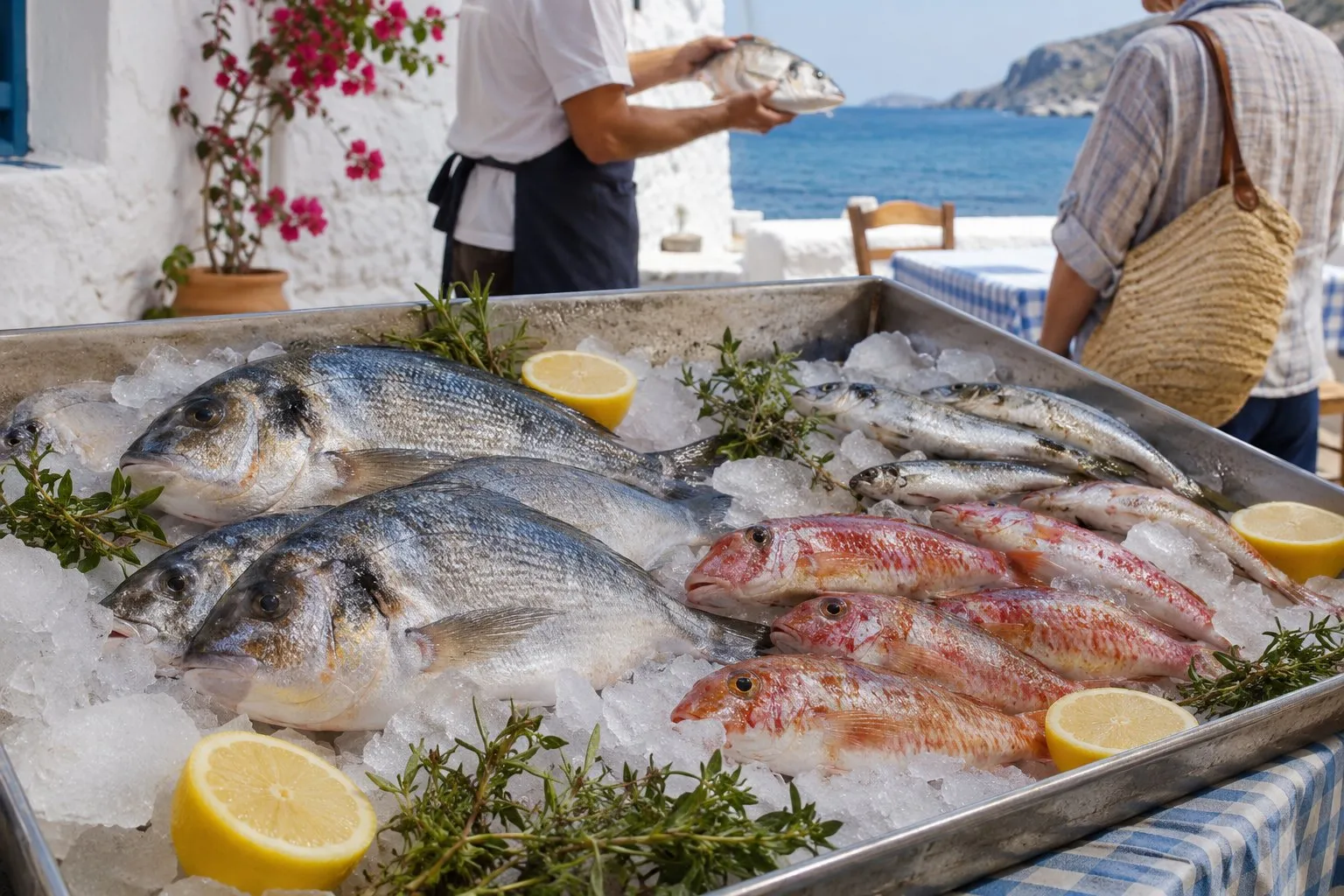
What’s on offer depends on the weather and the season: there are days when the boats don’t go out and species that are only found in certain months. That one day they don’t have what you were after is, in a way, a good sign.
Ordering the Greek way: everything in the middle
In Greece, you share. The normal thing is to order several starters and a main or two for the middle of the table, and for everyone to help themselves. If you don’t know where to start, in our article on what to eat in Crete we explain the most typical dishes.
Bread usually arrives without being asked for and, in many places, a small charge per person is made for bread or cover. It’s normally on the menu; if in doubt, ask.
There’s no rush either: it’s rare for the bill to be brought without being asked for. When you want to pay, just say “to logariasmó, parakaló” (the bill, please).
The end: raki and something sweet
In many Cretan tavernas, at the end of the meal a small carafe of raki (also called tsikoudiá) arrives at the table along with something sweet, such as fruit, yoghurt with honey or a homemade dessert, free of charge. It’s a gesture of hospitality called kérasma in Greek.
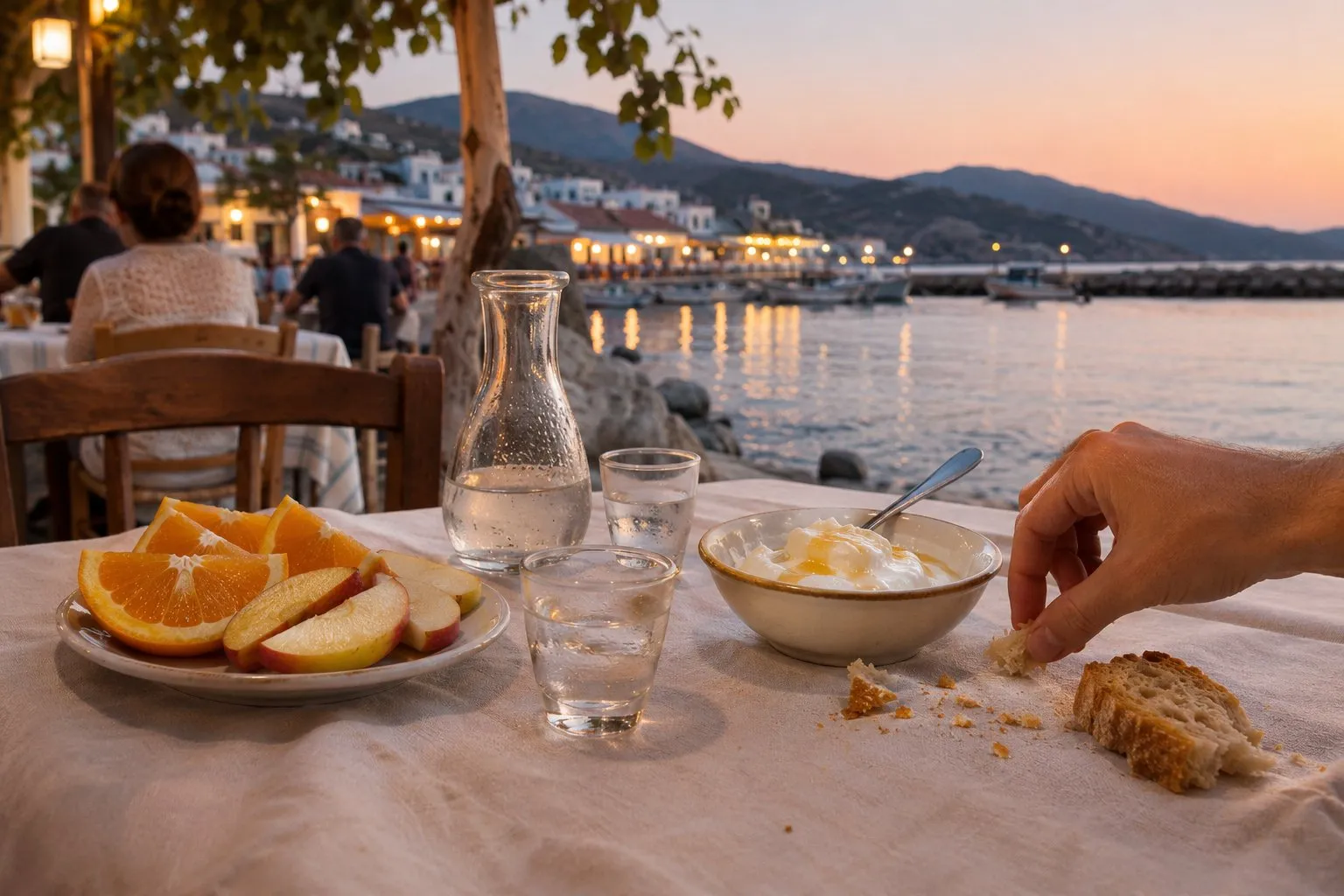
It’s a very widespread custom, but not an obligation: not all places do it and it says nothing about the quality of the food. If you don’t drink alcohol, you can politely decline the raki. If you’d like to know more about this spirit, read our article on Cretan wines and raki.
Paying and tipping
Tipping is not obligatory in Greece. The usual thing is to round up the bill or leave around 5-10% if you were happy. Some useful points:
- Better in cash. Many card machines don’t let you add a tip, so the simplest thing is to pay by card and leave a few coins or a note on the table.
- Check the bill. If it already includes a service charge, an additional tip is optional.
- The charge for bread or cover is not a tip, even if it appears on the bill.
Where to look in Agios Nikolaos
- Lake Voulismeni: surrounded by restaurants, with a special atmosphere at night. We tell you about it in our article on the lake.
- The harbour and Kitroplatia: tables by the sea. From the pension, Kitroplatia is a one-minute walk and the harbour is three.
- The streets behind: as soon as you move one or two streets away from the promenade, it’s easy to find simpler places with more local clientele.
- Nearby villages: the tavernas in the inland villages deserve a trip; in our article on Kritsa and its surroundings you’ll find a good excuse.
To finish
In the end, the best thing is to trust what you see: local people, dishes of the day and calm service. Hours, prices and what each place offers change with the season, so don’t hesitate to ask before you sit down. And in high season, if you want to dine at a table by the water, it’s best to book or arrive in good time.