What to buy in Agios Nikolaos: souvenirs and Cretan products
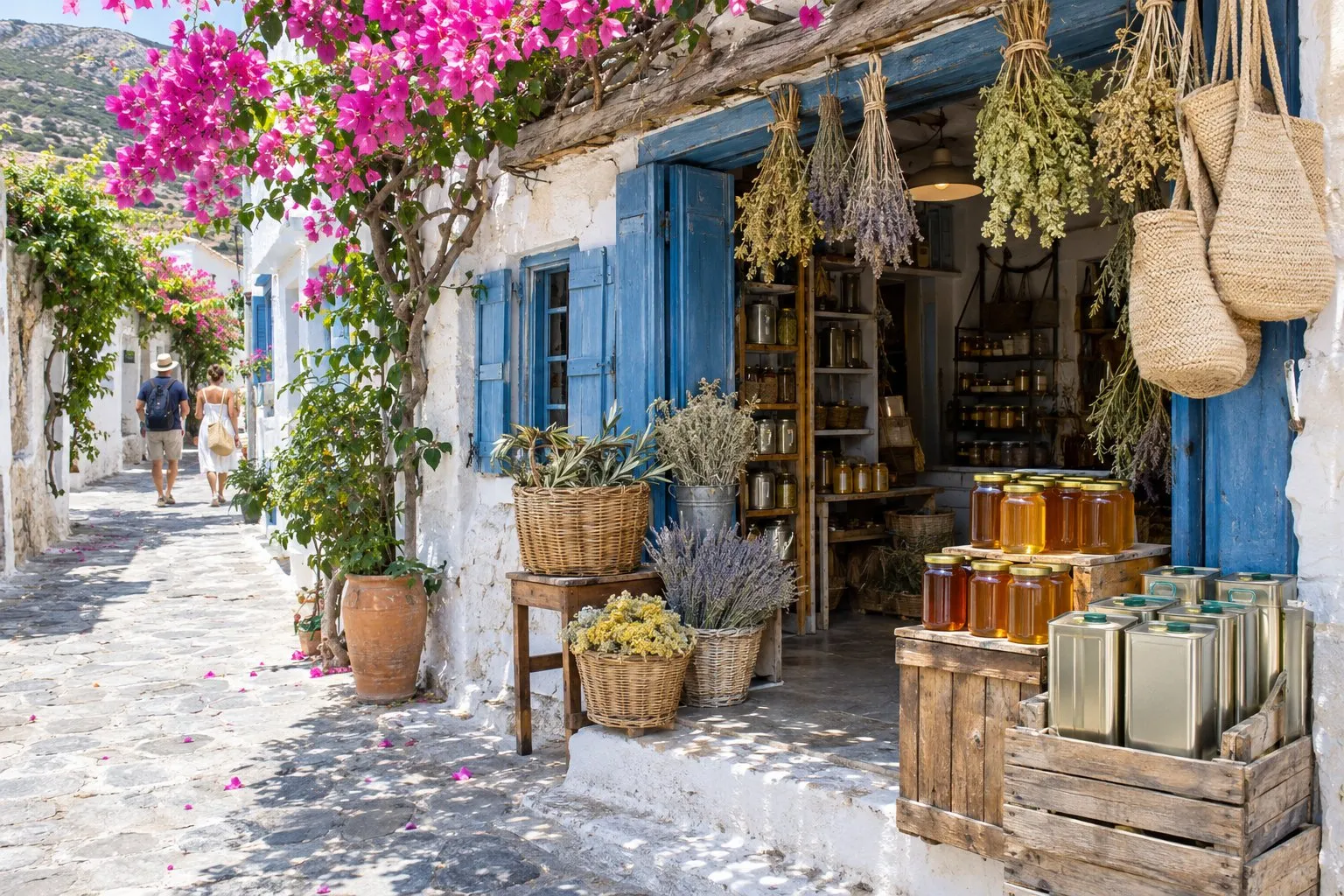
The best souvenirs from Crete tend to be the ones you eat, drink or use at home. Here we run through what’s worth buying in Agios Nikolaos and its surroundings, and how to get it back home without surprises at the airport.
Where to buy
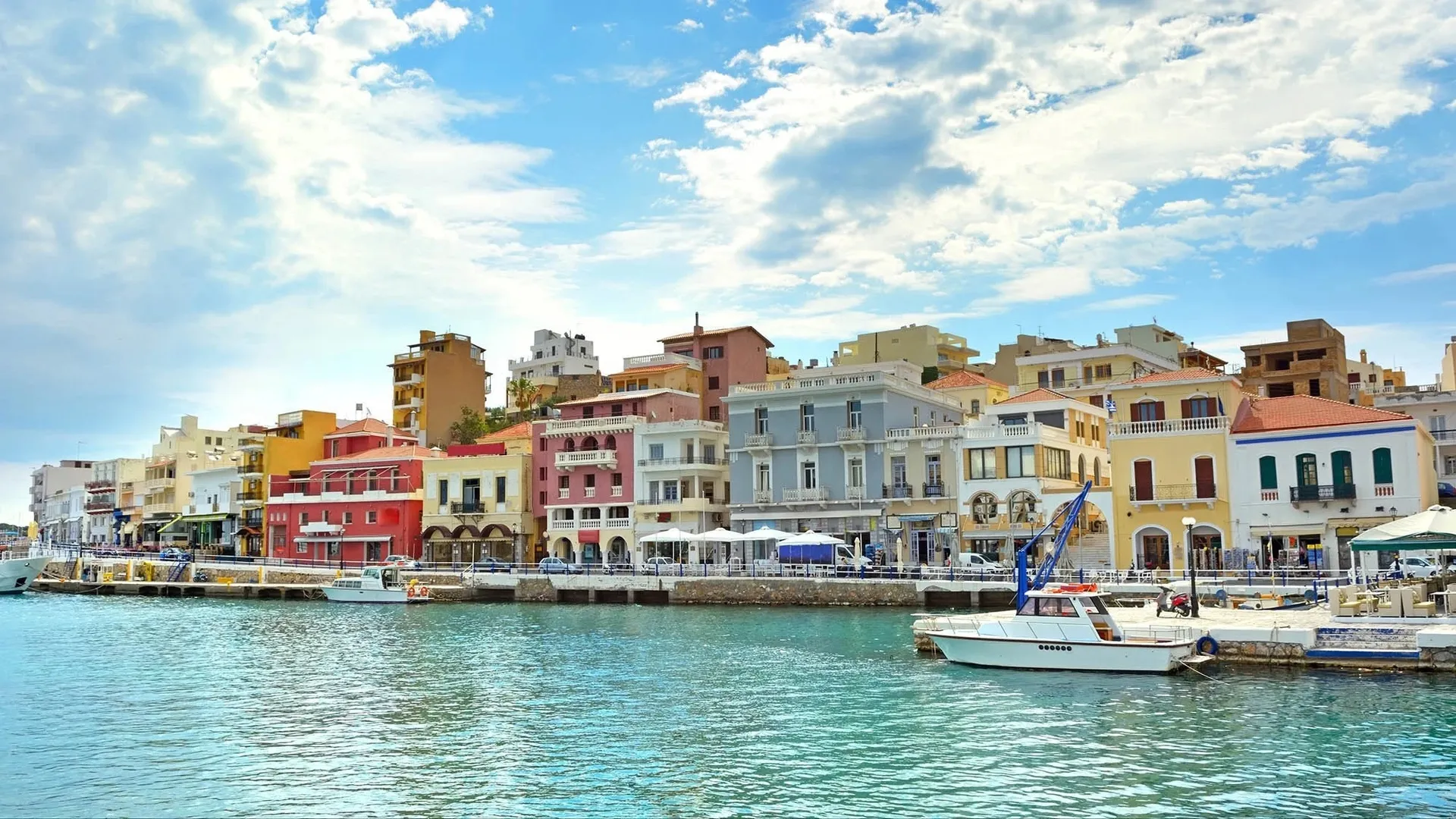
- The town centre. The streets around Lake Voulismeni and the harbour concentrate shops selling local products, crafts and souvenirs. From the pension, the lake is about 6 minutes’ walk and the centre about 9 (you can see the distances on the map).
- The weekly market. On Wednesday mornings the laikí, the open-air market, takes place, with seasonal fruit and vegetables, cheeses, honey, herbs and also clothes and household items. Confirm the location and hours when you arrive, because these details can change.
- The villages. Kritsa, in the hills above the town, is the place for textiles and embroidery. In the surrounding area there are also cooperatives and producers who sell directly.
To eat and drink
Olive oil and olive-oil soap
It’s the Cretan souvenir par excellence. Look for extra virgin, preferably in a tin, and if you want something from this area, the Sitia PDO. In our article on Cretan olive oil we explain how to read the label and how to taste it.
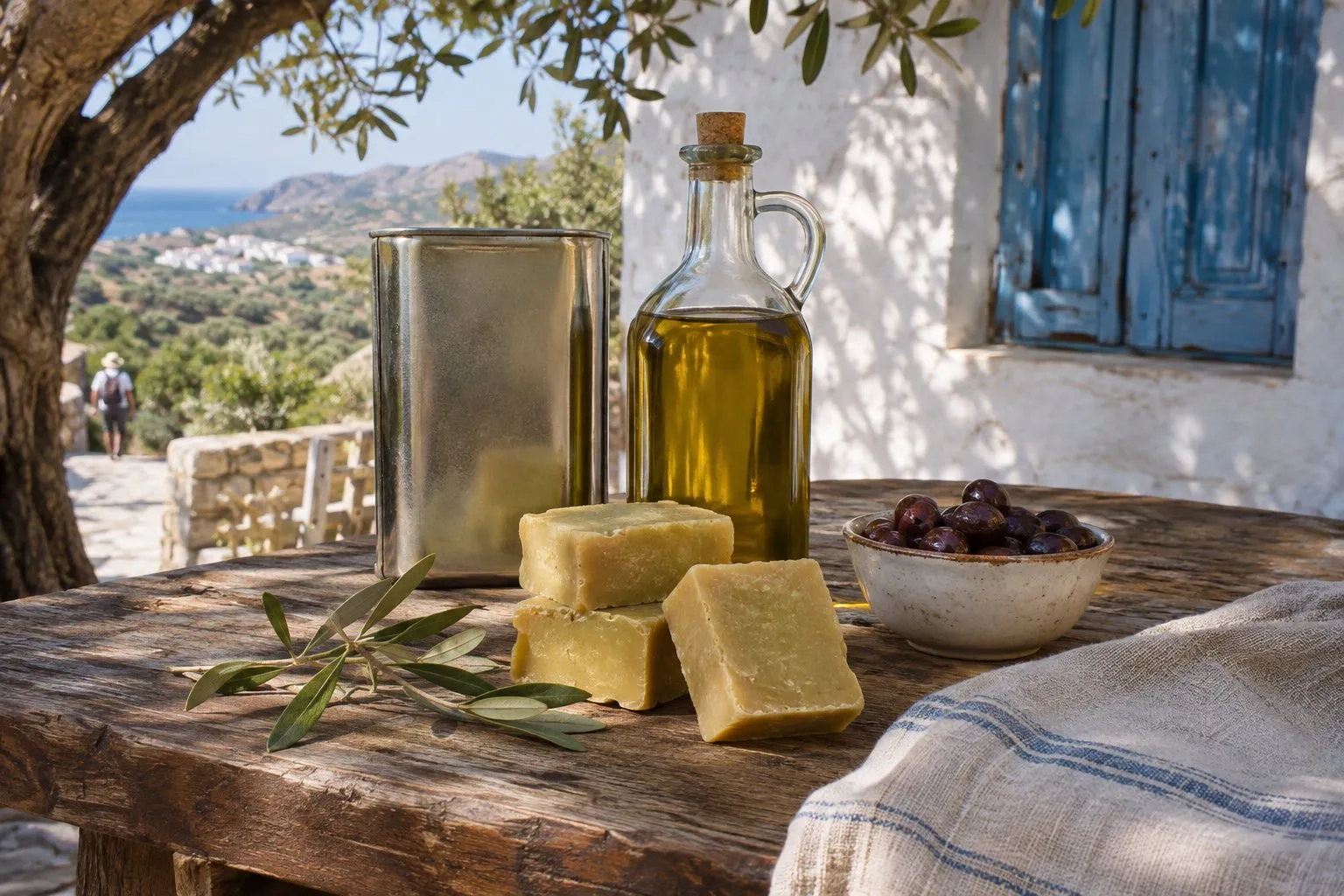
Alongside the oil you’ll find olive-oil soaps, simple, light and not counted as liquid on the plane, as well as creams and cosmetics made with oil and herbs.
Thyme honey
Thyme honey is one of the island’s most prized: dense, very aromatic and intensely flavoured. Over time it crystallises naturally, and that is not a sign of poor quality. If you want to make it liquid again, warm the jar in a bain-marie, without letting the temperature get too high.
Herbs and mountain tea
- Malotira (Sideritis syriaca), the Cretan mountain tea: a mild, caffeine-free infusion. Its wild populations have declined because of overharvesting, so it’s better to buy it packaged and from cultivated plants.
- Dittany (Origanum dictamnus), a plant endemic to Crete that is drunk as an infusion.
- Oregano, thyme and sage, dried and in bunches, for cooking at home.
Raki and wine
A bottle of raki or Cretan wine is a classic gift. We tell you what each one is and which grapes to look for in Cretan wines and raki.
Cheeses and paximadia
- Cretan graviera (PDO): a hard cheese, mostly from sheep’s milk, which travels well.
- Xinomizithra (PDO), fresh and slightly tangy, and Sitia xygalo (PDO), creamy and spreadable. They’re delicious, but they need refrigeration and travel less well.
- Paximadia: the toasted barley breads used to make dakos. Light and long-lasting, they travel without any problem.
If the shop can vacuum-pack the cheese for you, so much the better. Within the European Union you can carry cheese and other foods for personal consumption. If you’re returning to a country outside the EU, find out before you buy: many restrict or ban the entry of dairy and meat products in luggage.
Crafts
Kritsa textiles and embroidery
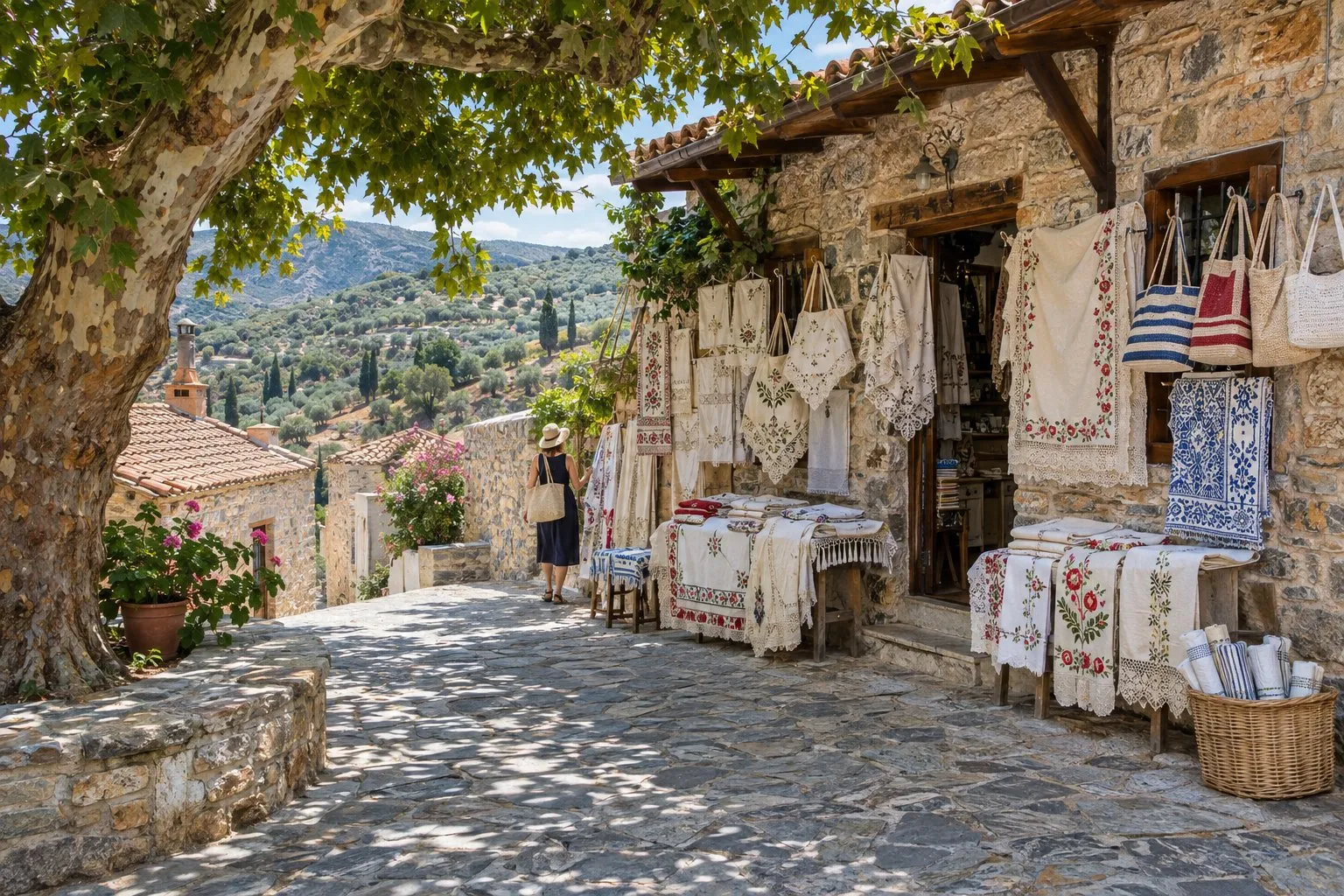
Kritsa is one of the traditional centres of Cretan weaving, and on its streets there are shops with embroidered tablecloths, lace, rugs and woven bags. Handmade work takes many hours and it shows in the price. If it matters to you that the piece is handmade and local, don’t hesitate to ask. You’ll find more ideas for the visit in Kritsa and its surroundings.
Ceramics
Crete has a long pottery tradition, with villages known for it such as Margarites, in Rethymno, or Thrapsano, in Heraklion. In Agios Nikolaos you’ll find everything from everyday pieces to reproductions of Minoan vessels. Ask for them to be wrapped well and, if they’re delicate, carry them in your hand luggage.
Cretan knives
The traditional Cretan knife, with a handle of horn, bone or olive wood, usually has a mantinada engraved on the blade, a short rhyming verse from popular tradition. On the island it’s a gift that carries a lot of meaning.
Watch out on the plane: European regulations prohibit knives with blades longer than 6 cm in the cabin, and checks can be stricter. The safest thing is to put any knife in your checked luggage.
Leather and olive wood
Leather sandals and bags are another classic. There are also olive-wood utensils, such as boards, spoons or bowls, hardy and with a very beautiful grain. To make them last, wash them by hand and give them a little oil from time to time.
How to carry it on the plane
- Liquids go in checked luggage. Oil, honey, raki, wine and soft cheeses count as liquids or pastes at security. In hand luggage, the general rule is containers of 100 ml at most; check the conditions of your airport and airline before flying.
- Well protected. Tins rather than glass. Bottles and jars wrapped in clothes and inside a sealed bag.
- Mind the weight. A couple of tins of oil and a few bottles weigh more than you’d think; check the baggage allowance on your ticket.
- If you buy a lot, ask the shop whether they ship: it sometimes works out better than paying for extra luggage.
One last tip
Leave food shopping for the last days, when you already know what you liked best in the tavernas, and take advantage of the Wednesday market if it coincides with your stay. Buy what you’ll really use, ask about the origin and leave room in the suitcase: you always need more than it seems.