When to visit Agios Nikolaos: what to expect at each time of year
There is no single best time to come to Agios Nikolaos: it depends on whether you are after warm sea, peace and quiet, walking or a glimpse of local life. What does change a lot from one month to the next is the weather, the number of people and what you will find open. Here is what you can expect in each season, and at the end there is a summary to help you decide.
Spring: April and May
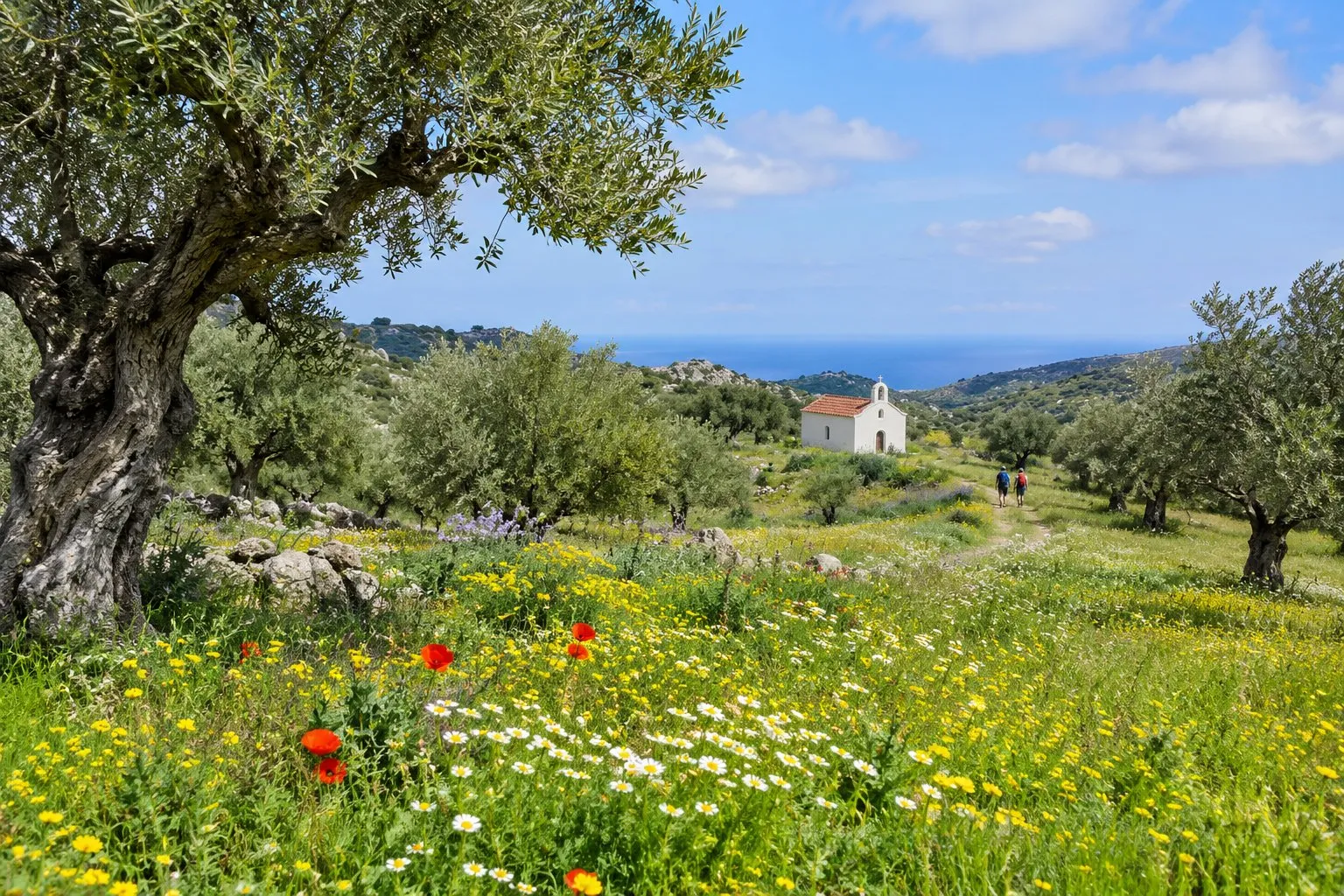
Daytime highs rise from about 19 °C in April to about 23 °C in May, and the rain gradually disappears. The countryside is green and full of flowers, and it is a very pleasant time for walking, exploring the villages inland or visiting archaeological sites without the summer heat.
The sea is still cool: around 16–19 °C, and many people find it hard to swim until the end of May. Hotels, tavernas and boat trips open gradually over these weeks, so at the beginning of April some businesses have not yet started the season.
Orthodox Easter
Easter is the most important festival of the year in Greece and it does not usually coincide with the Catholic one: it is calculated differently and often falls one or several weeks later. In 2027, for example, Orthodox Easter Sunday is on 2 May.
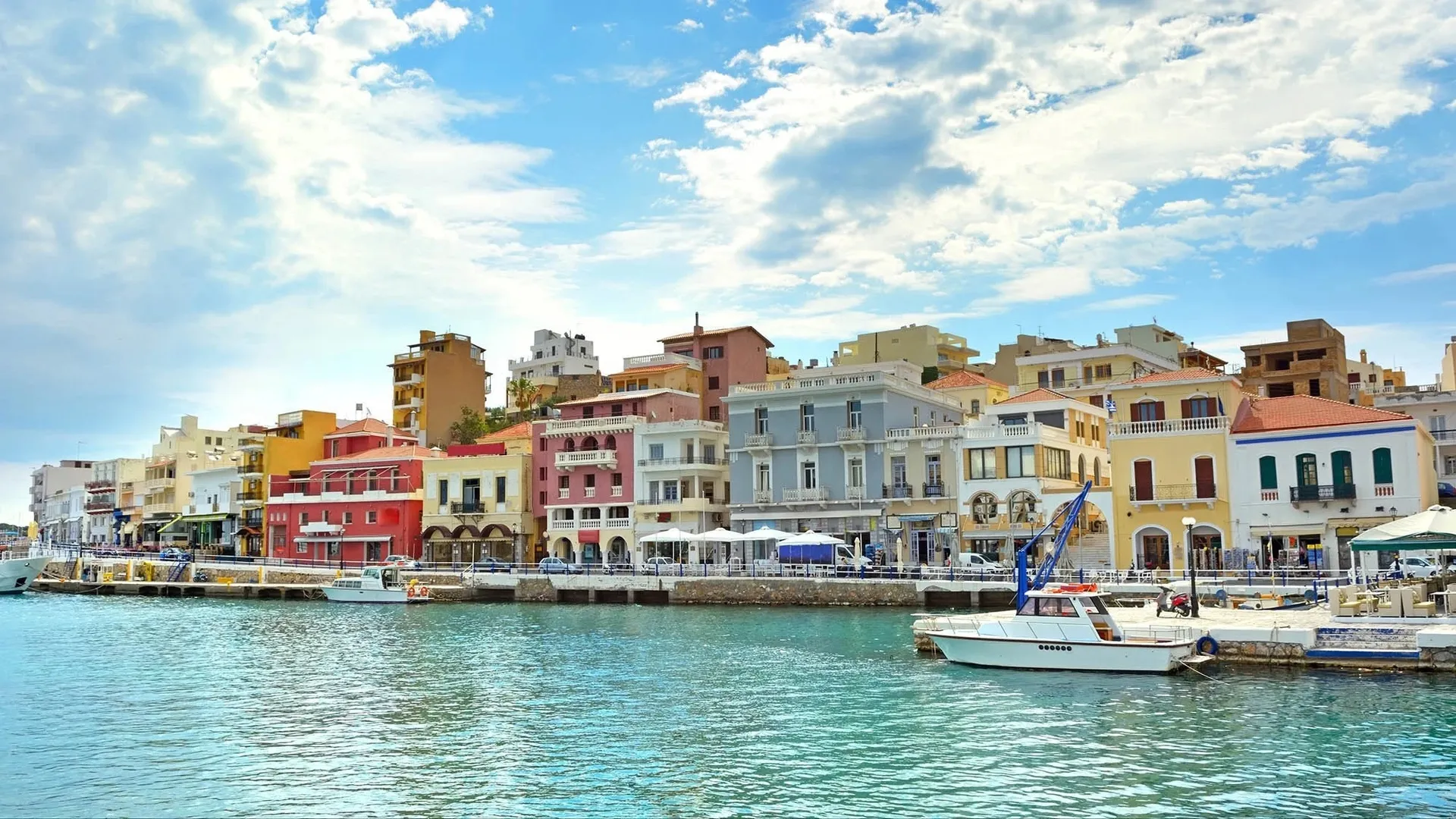
In Agios Nikolaos the night of Holy Saturday has a tradition of its own: at midnight, when the Resurrection is announced, an effigy of Judas is burned on a raft in the middle of Lake Voulismeni, amid fireworks and crowds gathered around the water. On Good Friday there are processions, and Sunday is a day of family meals. Bear in mind that Good Friday and Easter Monday are public holidays and that some museums and archaeological sites close on Sunday.
- Pros: mild weather, green landscape, a good time for excursions.
- Cons: the sea is cold for many people, and some services are still closed at the start of the season.
Summer: June, July and August
This is high season. Average daytime highs hover around 26–28 °C, with occasional heatwaves that go well beyond that, and it practically never rains. The sea warms up to about 25 °C in August. Everything is open: tavernas, beach bars, boats to Spinalonga and nightlife until late.
It is also when there are most people, especially in July and August, with the peak around 15 August, a national holiday in Greece. The nearest beaches fill up early and it is wise to book accommodation, a car and excursions well in advance.
The meltemi
In summer the meltemi blows across the Aegean, a dry northerly wind that peaks between mid-July and mid-August. There are days of total calm and others when the wind cools things down and the sea gets choppy on some beaches. It is worth checking the wind forecast when choosing where to swim; you will find ideas in our article on the beaches of Agios Nikolaos.
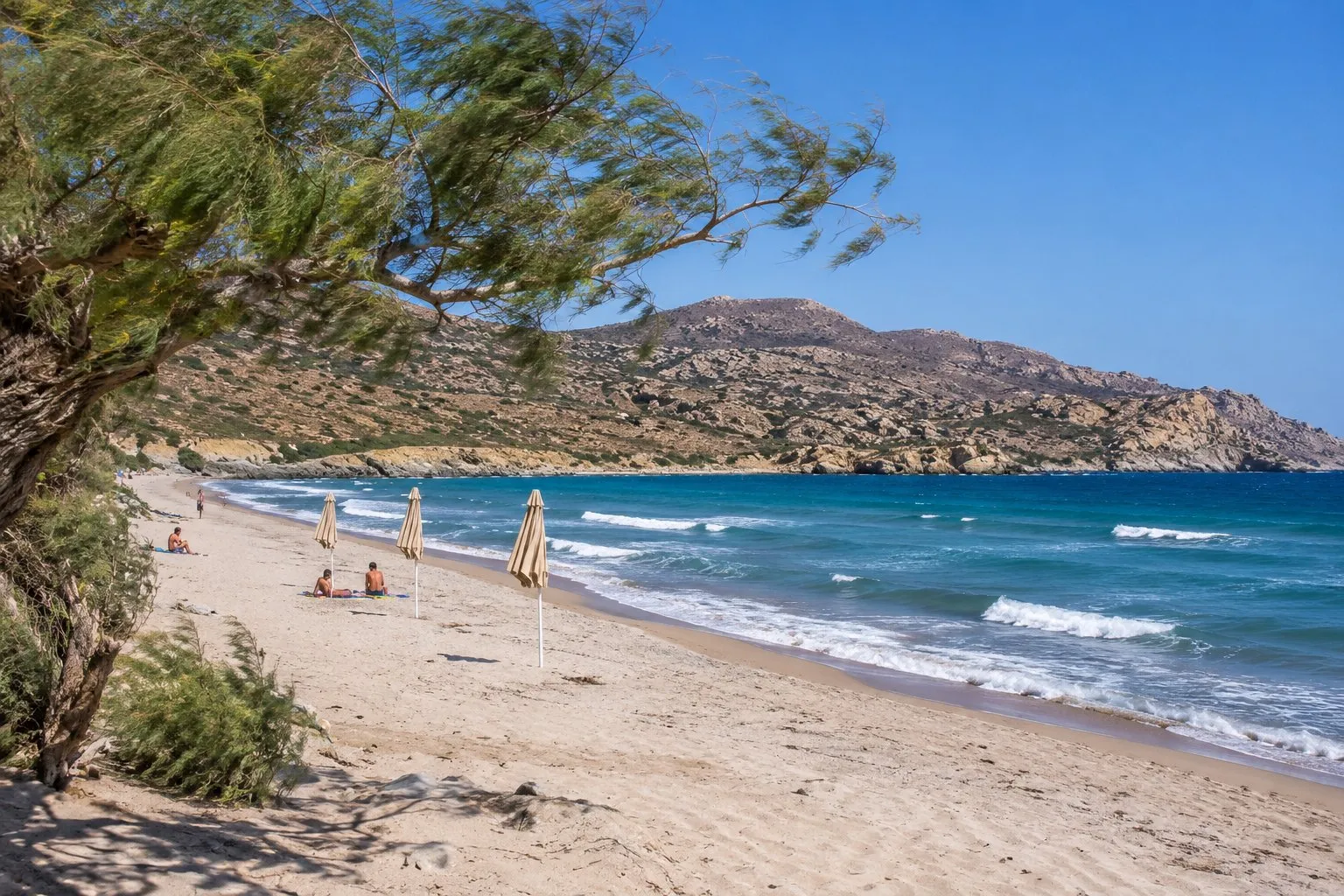
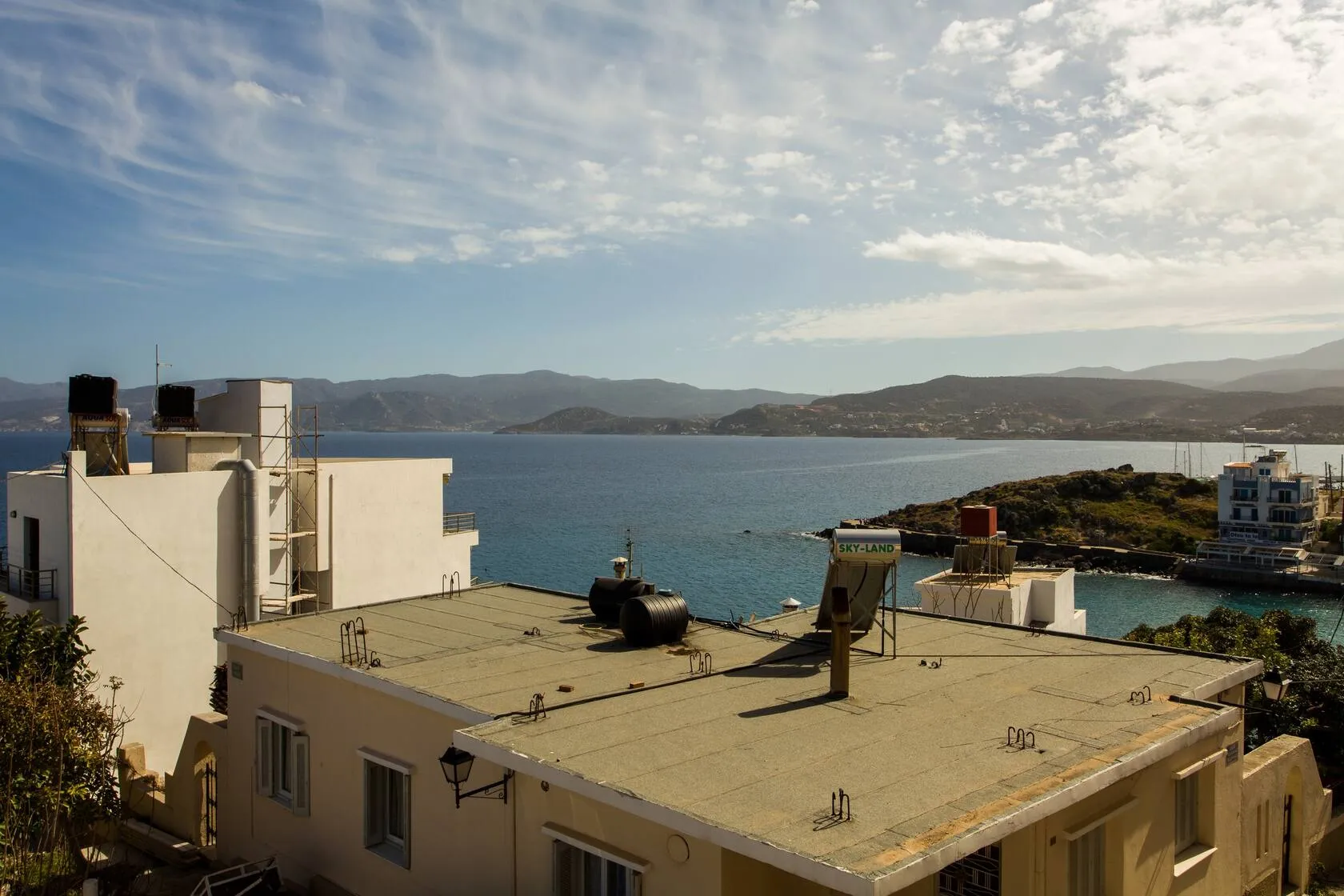
A tip for the heat: make the most of the early hours. The sunrise over Mirabello Bay, which you can see from the pension’s balconies, is the best moment of the day in the middle of August.
- Pros: warm sea, long days, everything open.
- Cons: strong heat at midday, lots of people, the most in-demand time of year.
Autumn: September and October
For many people it is the best time. In September the sea is still around 25 °C, the air starts to cool in the evenings and, once schools go back, the number of families drops. October is still mild, with the water above 20 °C, but the days get shorter and the first rains arrive: about four or five rainy days on average over the month.
Towards the end of October some tourist businesses begin to close, so if you come around then, check beforehand the boats and excursions you are interested in.
Grape harvest and raki
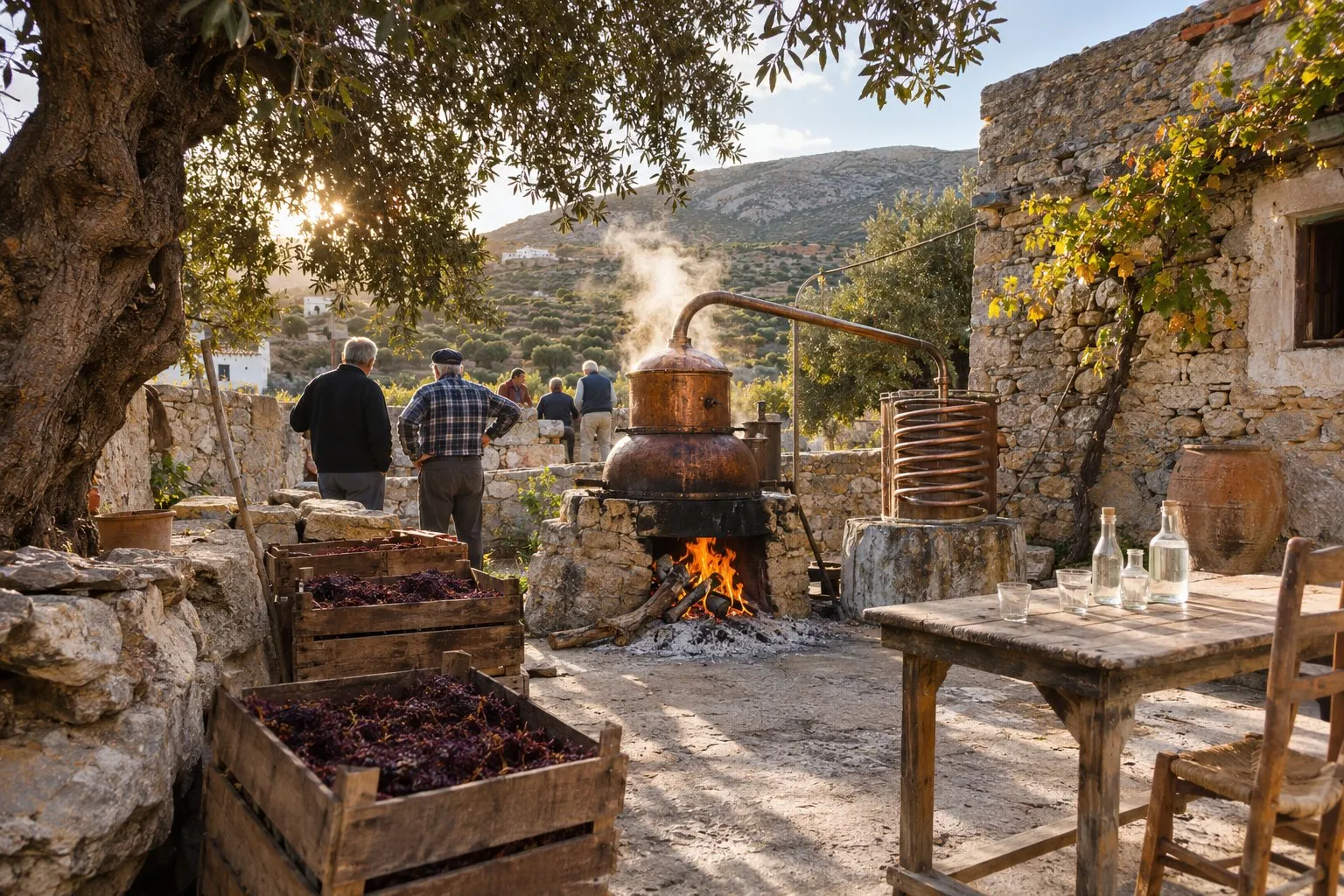
The grape harvest takes place at the end of summer, and in autumn comes one of the best-loved traditions of Crete: the distilling of raki (also called tsikoudia). The grape pomace ferments for a few weeks and is then distilled in licensed stills in the villages, mainly between October and November. They are gatherings of neighbours and families rather than tourist activities, but they say a lot about how life is lived here. We tell you about it at more leisure in wines and raki of Crete.
- Pros: warm sea, fewer people, pleasant temperatures.
- Cons: the first rains and, at the end of October, fewer services open.
Winter: November to March
This is the rainy season. Daytime highs drop to about 14–16 °C in January and February, and in December and January there are about ten days of rain a month, although also many sunny days. The sea falls to about 15–16 °C at the end of winter.
Many hotels, beach bars, tourist-oriented restaurants and boat trips close during these months, and buses run less often. But Agios Nikolaos is a town where people live all year round: the cafés, the shops and many tavernas stay open, and it is a good time to see local life at an unhurried pace.
Winter is also olive season. The harvest begins in autumn and is concentrated roughly between November and January, and in the countryside you can see the nets spread out under the olive trees. If the subject interests you, read our article on Cretan olive oil.
For rainy days, museums keep shorter winter hours, and it is worth checking them before you go.
- Pros: peace and quiet, local atmosphere, a good time for museums and walks.
- Cons: rain, short days, many tourist services closed.
So, when should you come?
- To swim with everything open: June to September.
- For warm sea with fewer people: September and early October.
- For walking and excursions: April, May and October.
- To experience Greek Easter: Orthodox Easter week, booking in advance.
- For peace and quiet and local life: November to March, knowing that it will rain on some days.
The figures in this article are approximate averages: every year is different, and a particular week can be cooler, hotter or windier than usual. Before fixing your dates, look at the calendar of Greek public holidays and, if you are travelling out of season, check which excursions and services are running on those days.